How to cost your menu and control sauce costs in a restaurant
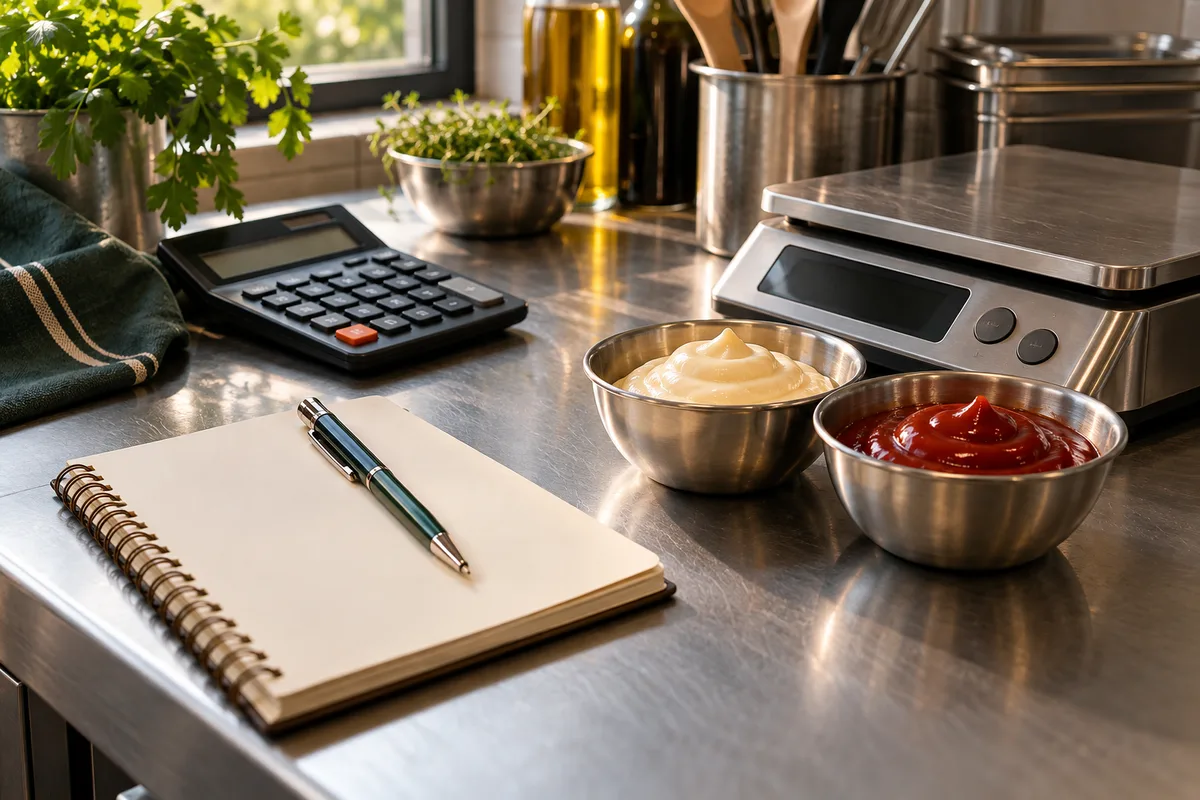
"How to calculate food cost" and "food cost percentage" are small searches in Pakistan, about 20 and 10 a month, but they matter a lot to any restaurant owner. If you do not know what each dish costs, you cannot price it properly. This guide shows how to cost a menu, with a worksheet you can copy, a worked example and tips for keeping sauce costs under control.
Why sauces deserve their own line
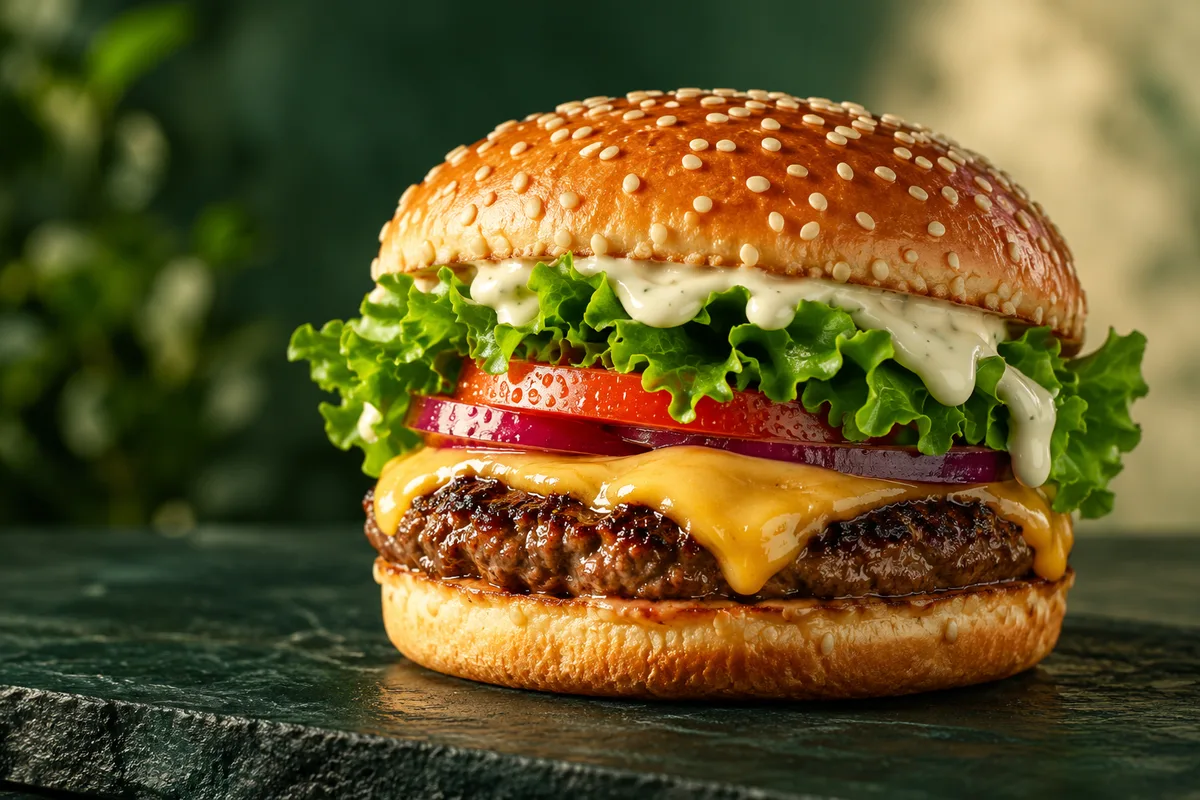
Sauces look small. A burger might carry 20 g of mayonnaise and 10 g of ketchup. But a shop that sells 100 burgers a day uses 3 kg of sauce a day, and that is a real cost over a month. Sauces are also the easiest cost to lose control of, because cooks add them by eye.
The basic formulas
You need three formulas.
Cost per portion: the cost of every ingredient in a dish, added together.
Food cost percentage: cost per portion, divided by selling price, multiplied by 100.
Selling price from a target: cost per portion, divided by your target food cost percentage as a decimal. For a target of 30 percent, divide by 0.30.
Step 1: Weigh every ingredient
Pick a dish and weigh each ingredient in grams, including sauces, cheese, oil and garnish. Use a kitchen scale, not a spoon. Write the weights on a recipe card.
Step 2: Find the price per gram
For each ingredient, divide the price you pay by the weight in grams. For example, if mayonnaise costs Rs 700 per kg, that is Rs 0.70 per gram. Use the price you pay including delivery, not the shelf price.
Step 3: Multiply and add up
Multiply the grams in the dish by the price per gram, then add the lines together.
A worked example
Here is a burger with made-up prices. Replace them with your own.
| Ingredient | Amount | Price basis | Cost |
|---|---|---|---|
| Bun | 1 | Rs 30 each | Rs 30.00 |
| Chicken patty | 1 | Rs 70 each | Rs 70.00 |
| Cheese slice | 1 | Rs 20 each | Rs 20.00 |
| Lettuce and tomato | 40 g | Rs 250 per kg | Rs 10.00 |
| Mayonnaise | 20 g | Rs 700 per kg | Rs 14.00 |
| Ketchup | 10 g | Rs 400 per kg | Rs 4.00 |
| Packaging | 1 | Rs 15 each | Rs 15.00 |
| Total cost | Rs 163.00 |
If this burger sells for Rs 450, its food cost percentage is 36 percent (163 divided by 450, times 100). If your target is 33 percent, you could change the price to about Rs 494 (163 divided by 0.33), reduce the portion, or find a cheaper supplier.
Step 4: Add waste
Some food is wasted. Lettuce spoils, sauce sticks to the pouch, and cooks drop things. Add a waste allowance of a few percent to ingredients that spoil. Track your actual waste for a month so the allowance is realistic.
Step 5: Cost your batch sauces
Many sauces are made in batches. Cost the batch, then cost the portion.
Example for a burger sauce, with made-up prices. A shop batch uses 750 g mayonnaise at Rs 700 per kg (Rs 525) and 250 g ketchup at Rs 400 per kg (Rs 100). The batch weighs 1 kg and costs about Rs 625, so it costs Rs 625 per kg. A 20 g portion costs Rs 12.50. Use that number on every dish that carries the sauce. See the burger sauce recipe for the batch.
Step 6: Set your price
Pick a food cost target, then work out your price from it. Check the price against your competitors and your guests. A price that is too low loses money. A price that is too high loses guests. Test small changes and watch your sales.
Ways to control sauce cost
These habits protect your margin without making the food worse.
- Use a fixed portion. A squeeze bottle that dispenses a set amount, or a scoop of a set size, stops guesswork.
- Buy in bulk when you can use it. A 4 kg pouch costs less per kg than a small jar, if you finish it in time.
- Keep sauces covered and chilled, so you do not throw them away.
- Train every cook on the portion size, and check it once a week.
- Count dips and sachets. If guests can take as many as they like, you lose control. Set a rule, such as one dip free and extras charged.
- Review your top ten dishes every quarter, and update costs when a supplier changes a price.
Count what you use
Once a month, do a simple stock count of your sauce pouches, then compare it against how many dishes you sold. If you used more sauce than your recipes say you should, you have waste or heavy portions. Fix the cause, whether it is training, equipment or spoiled stock.
A free worksheet to copy
Copy this layout into a spreadsheet.
| Dish | Selling price | Ingredient cost | Food cost % | Target % | Action |
|---|
In the "Food cost %" column use the formula cost divided by price, times 100. If a dish is above your target, change the price, change the portion or change the supplier.
When to ask your supplier for a better price
Prices are not fixed. If you order a larger quantity, agree on a regular schedule, or pay on time, ask the supplier whether they can offer a better rate. Ask in writing, and compare quotes from more than one supplier. Our guide to choosing a sauce supplier has a quote request template.
Next step
Send your monthly sauce quantities to the Orino sales team and ask for a quote in writing. You can read the restaurant supply page or send an enquiry. For mayonnaise, our price guide shows how to compare quotes per kg and per portion.
Frequently asked questions
What is food cost percentage?
It is the cost of the ingredients in a dish divided by the selling price, multiplied by 100. A dish with Rs 180 of ingredients that sells for Rs 600 has a food cost of 30 percent.
What food cost percentage should a restaurant aim for?
There is no single right number. It depends on your menu, your rent and your staff costs. Set your own target, then track each dish against it.
How do I cost a sauce?
Add up the cost of every ingredient in the batch, divide by the number of portions, and use that figure in each dish that uses the sauce.
Why do small sauce portions matter?
Sauces are used on many dishes every day. A few extra grams on each plate adds up to a large amount over a month.
How often should I update my costs?
Update them whenever a supplier changes a price, and review your whole menu at least every quarter.